⚠️ IMPORTANT SAFETY NOTICE
This protocol uses off-label medications that have not been approved by the FDA for cancer treatment. Available evidence is limited to preclinical studies and anecdotal reports. Always consult a qualified oncologist before considering any changes to your treatment plan. This article is for informational purposes only.
Quick Overview
- Author: Dr. Gregory Stoloff (founder); clinical team at Care Oncology Clinic, London
- Goal: Improve overall survival in cancer patients by adding four off-label, metabolically-targeted drugs as adjuncts to standard-of-care oncology treatment
- Duration: Ongoing long-term adjunct to standard of care; no fixed endpoint. Patients typically continue as long as the protocol is tolerated and beneficial.
- Key compounds: Metformin, Atorvastatin, Doxycycline, Mebendazole (and optional Flarin/Ibuprofen)
- Cycles: All four drugs taken daily. Mebendazole and doxycycline may be rotated on a one-month-on / one-month-off alternating schedule, or taken together continuously.
Overview
The Care Oncology Protocol (COC) was developed at the Care Oncology Clinic in London, founded by Dr. Gregory Stoloff, a British physician who previously directed vaccine research. The protocol was built on published mechanistic and observational data suggesting that four widely-used, off-patent drugs independently demonstrate anti-cancer metabolic activity and, in combination, may act synergistically. It was formally registered as a clinical study — the METRICS trial (NCT02201381) — in 2014, making it the most institutionally validated of the metabolic repurposing protocols.
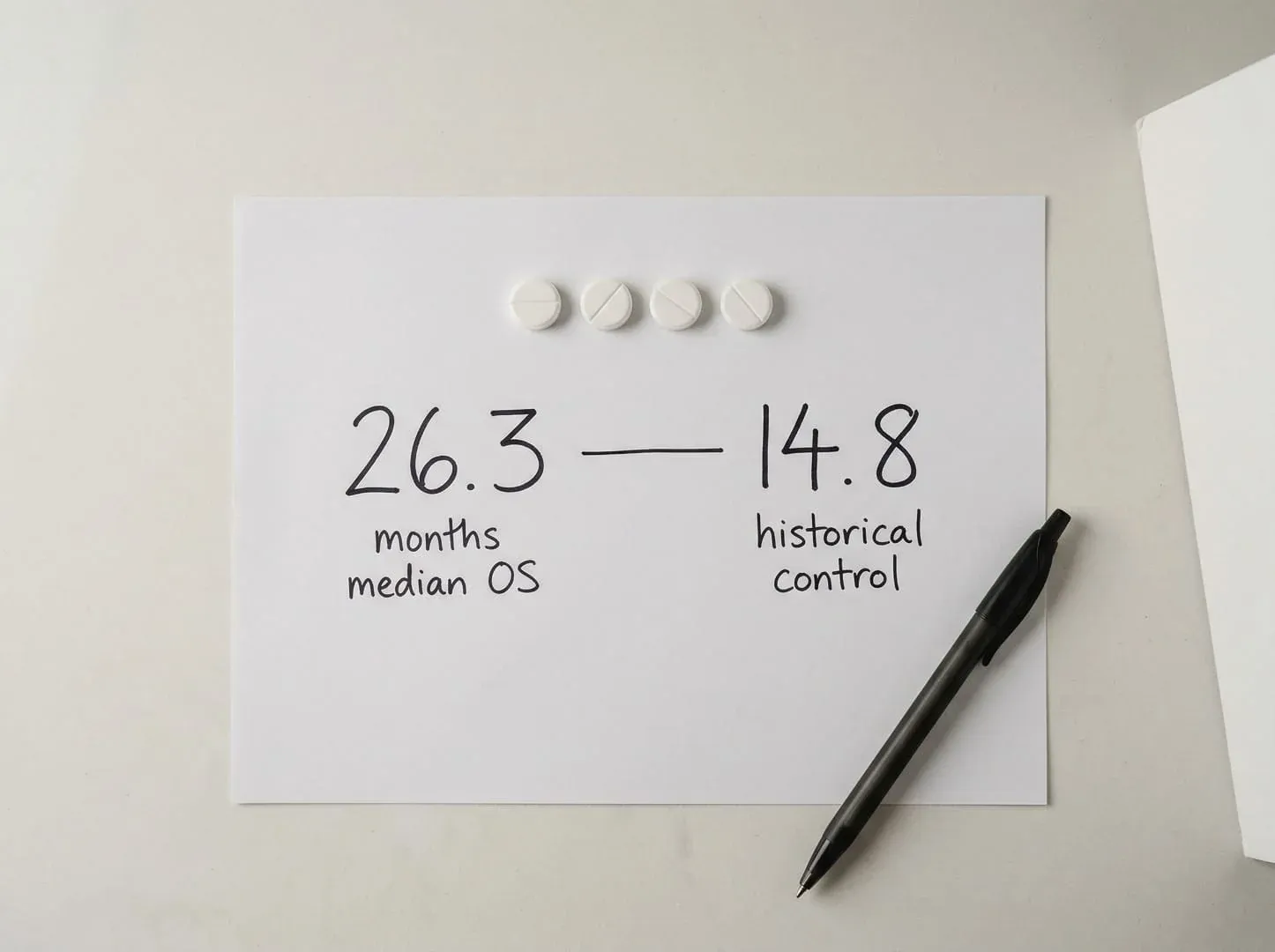
The METRICS study (Metabolic and Repurposed drug Investigative Cancer Study) is a participant-funded, open-label, non-randomized single-arm real-world study classified by the UK MHRA as an “Interventional Service Evaluation.” A retrospective cohort analysis of glioblastoma multiforme (GBM) patients (n=95, treated 2013–2016), published in Frontiers in Pharmacology in 2019, reported a median overall survival of 26.3 months compared to 14.8 months for historical standard-of-care controls from UK Public Health England data. The 2-year survival rate was 55.8% versus 26.5–28.7% in comparable standard-of-care cohorts. In the optimal subgroup (surgery plus chemotherapy plus radiation), 2-year survival reached 64.0% with the COC protocol added. The safety profile was reported as favorable with no drug-related serious adverse events.
It is important to note that the METRICS study carries an Expression of Concern issued in 2023 (Front Pharmacol. 2023;14:1264737) regarding methodological aspects, and the results come from a non-randomized study with potential selection bias. Nevertheless, the COC Protocol has influenced the broader metabolic oncology movement and is considered an institutional prototype of the four-drug metabolic approach. Jane McLelland’s protocol includes all four COC drugs. The clinic operates across the UK and internationally, and the protocol is also available via telemedicine.
Dosage and Schedule
The COC Protocol uses fixed daily doses of four compounds. The table below presents the standard dosing as prescribed at the Care Oncology Clinic, along with administration guidance from official clinic documentation.
| Compound | Standard Dose | Timing | Key Notes |
|---|---|---|---|
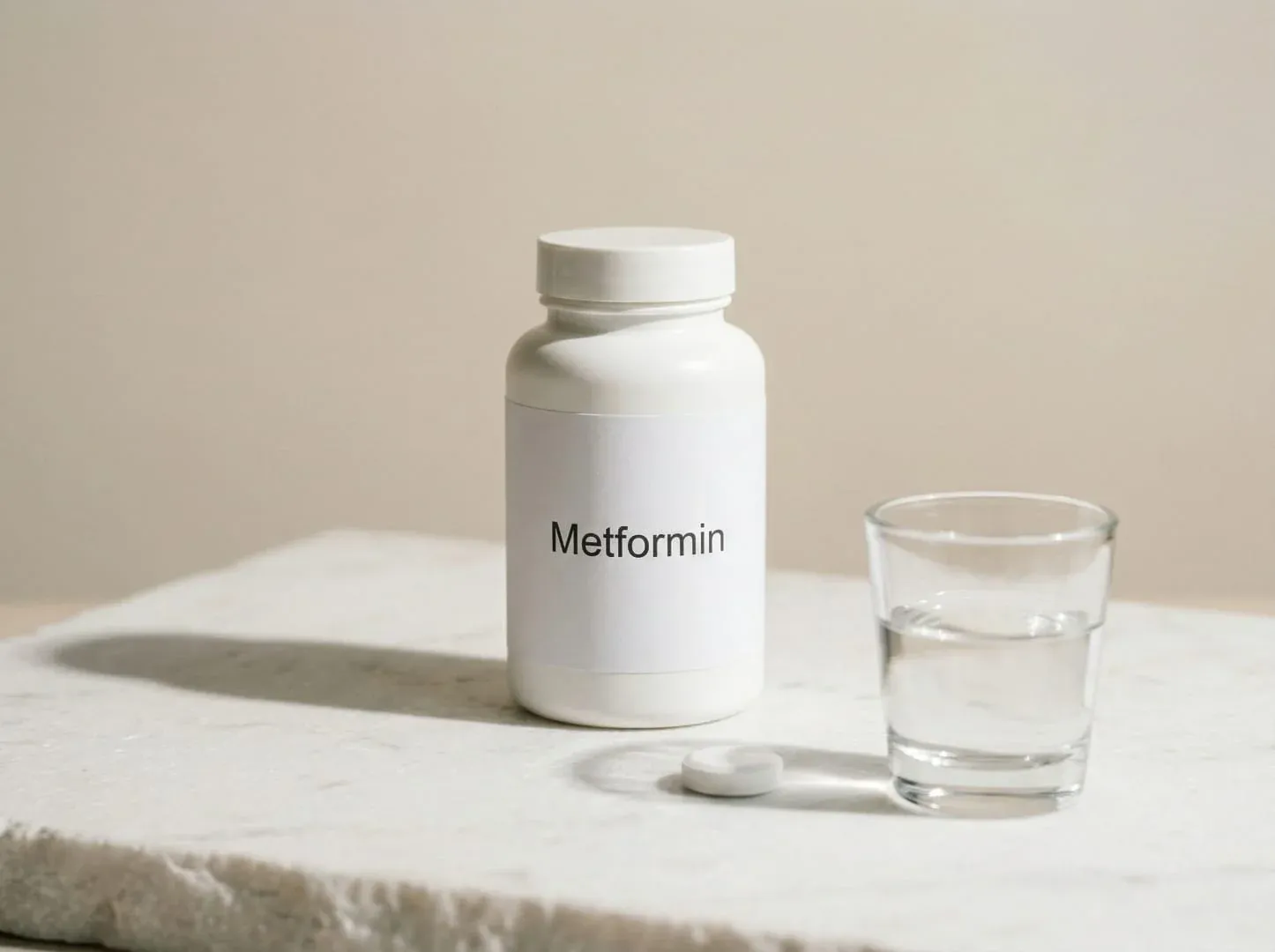
| Metformin | 500 mg twice/day (1000 mg/day total); modified-release preferred | With or immediately after meals | Start at 500 mg once/day for 2 weeks, then increase. Omit on day of contrast scans and 48 hours after. |
| Atorvastatin | 40 mg once or twice/day (40–80 mg/day) | Evening preferred (1–2 hours before bedtime or after evening meal) | Can be taken with or without food. |
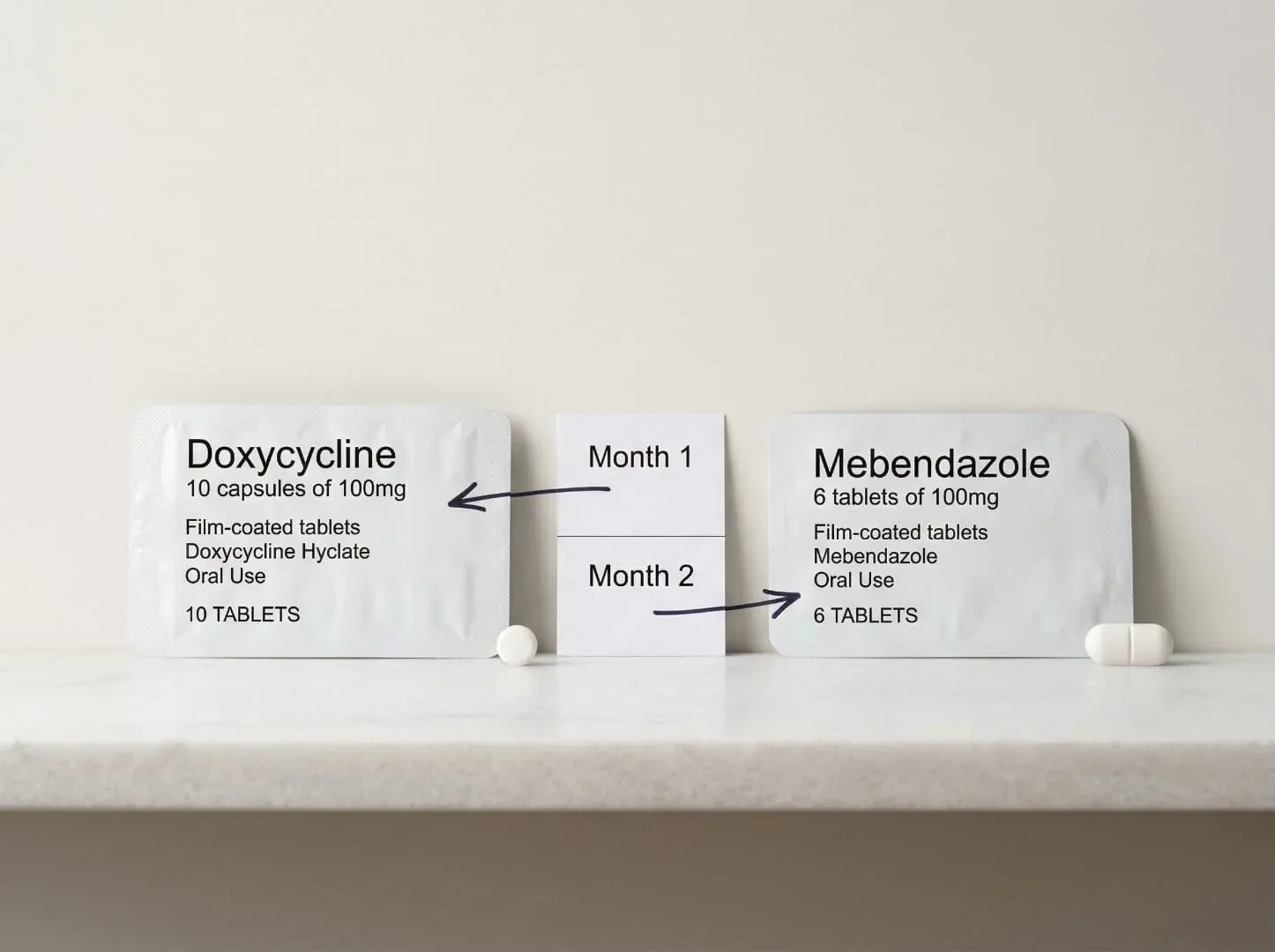
| Mebendazole | 100–200 mg/day (100 mg standard; 100 mg twice/day in some protocols) | With or without food; fatty meal or chewing improves absorption | May be rotated with doxycycline (1 month on/1 month off) or taken together continuously. |
| Doxycycline | 100 mg once/day | Same time daily; well before bedtime; do not lie down for 30 minutes after | Avoid dairy, antacids, and zinc/iron supplements within 2 hours of dose. |
| Flarin / Ibuprofen (optional 5th) | 200–400 mg, 3×/day | With food | Added case-by-case. Contraindicated with anticoagulants or GI ulcer history. |
The clinic also provides a rotation option for mebendazole and doxycycline: some patients take mebendazole for one calendar month, then switch to doxycycline for the following month. This alternating schedule may reduce the risk of prolonged antibiotic exposure while maintaining alternating mechanism coverage. Other patients take both compounds continuously — the choice is typically made in consultation with the prescribing clinician based on individual case factors.
Mechanism of Action
The four COC drugs collectively target multiple nodes in cancer cell metabolism and proliferation. A key design principle is that each drug addresses a different pathway, creating a multi-pronged attack on cancer cell energy supply, structural integrity, and stem cell survival that is difficult for cancer cells to fully circumvent.
Metformin
Metformin activates AMPK via mitochondrial complex I inhibition, suppressing the mTOR pathway and HIF-1α transcription factor. It reduces IGF-1 and insulin signaling — the molecular basis of the Warburg effect — and inhibits hepatic glucose production, reducing systemic glucose availability for rapidly dividing cancer cells. A 2021 peer-reviewed review confirmed metformin’s anticancer mechanism via AMPK activation and mTOR inhibition. Metformin synergizes with atorvastatin by simultaneously targeting the glycolytic and cholesterol synthetic pathways, an important design feature of the COC combination.
Atorvastatin
Atorvastatin inhibits HMG-CoA reductase in the mevalonate pathway, blocking cholesterol and isoprenoid synthesis required for cancer cell membrane proliferation and post-translational modifications of oncoproteins including RAS and RHO. It also blocks the Glut1 surface receptor, reducing cancer cell glucose uptake independent of the metformin mechanism. A 2018 review of the mevalonate pathway in cancer treatment documented statin-mediated apoptosis through caspase cascade activation and cell cycle arrest. The lipophilic formulation of atorvastatin allows tissue penetration beyond the bloodstream, which is important for solid tumor activity.
Doxycycline
Doxycycline selectively inhibits the mitochondrial 70S ribosome — a prokaryotic-type ribosome present in cancer cell mitochondria — blocking synthesis of oxidative phosphorylation complex proteins. This mechanism targets cancer stem cells with particular specificity, as CSCs are highly dependent on mitochondrial OXPHOS for energy. Research suggests doxycycline reduces cancer stemness in vivo, inhibiting epithelial-to-mesenchymal transition (EMT) and reducing cancer invasion and metastatic potential. It induces CSC apoptosis via ER stress through the ATF4/PUMA pathway.
Mebendazole
Mebendazole disrupts microtubule polymerization by binding to beta-tubulin, preventing mitotic spindle formation and causing mitotic arrest followed by apoptosis. It additionally inhibits VEGFR2 kinase, reducing tumor vasculature formation, and downregulates oncogenic drivers including MYC, COX-2, and Bcl-2. Mebendazole depletes ALDH1+ cancer stem cell populations, impairs glucose and glutamine uptake, and crosses the blood-brain barrier — providing activity in CNS tumors. A 2019 systematic review in Cancers (Basel) documented its activity across multiple tumor types.
Synergistic Multi-Pathway Blockade
The four drugs collectively address: (1) glucose metabolism via metformin and atorvastatin’s Glut1 blockade; (2) fatty acid and cholesterol synthesis via atorvastatin’s mevalonate pathway inhibition; (3) mitochondrial OXPHOS in cancer stem cells via doxycycline; and (4) microtubule-dependent cell division and Warburg effect via mebendazole. This multi-pathway blockade mirrors the principle articulated by Jane McLelland of simultaneous fuel-line disruption, reducing the cancer cell’s ability to reroute energy supply through an unblocked pathway.
METRICS Study Results
Key Findings — METRICS GBM Cohort (n=95)
- Median overall survival: 26.3 months (vs. 14.8 months historical SoC control)
- 2-year survival rate: 55.8% (vs. 26.5–28.7% for comparable SoC-only cohorts)
- Optimal subgroup (surgery + chemo + radiation + COC): 64.0% 2-year survival
- Drug-related serious adverse events: None reported
- Note: Results are from a non-randomized, open-label study. An Expression of Concern was issued in 2023 regarding methodological aspects.
METRICS Study: What the Data Actually Show (and What They Don't)
The METRICS study is the primary clinical data supporting the COC Protocol. This prospective analysis of 95 glioblastoma patients who received the four-drug combination alongside standard treatment reported a median overall survival of 26.3 months and a two-year survival rate of 55.8%. These figures were compared against historical controls: Public Health England data showing 14.8 months median survival with a 28.7% two-year rate, and European Organisation for Research and Treatment of Cancer data reporting 15.8 months and 26.5%, respectively.
On the surface, these results appear impressive. In context, they require careful interpretation. The study was not a randomized controlled trial — it compared a prospectively enrolled cohort against historical benchmarks collected from different populations at different time periods. This design introduces selection bias: patients who enrolled in the COC program may have differed systematically from the historical controls in ways that affect survival independent of the treatment itself, such as performance status, surgical resection extent, referral patterns, or socioeconomic factors that predict both access to novel treatments and better outcomes.
Importantly, the published results did not report p-values or confidence intervals from formal statistical tests (such as log-rank tests) that would confirm whether the observed difference in survival is statistically significant rather than attributable to chance or bias. Without such tests, the magnitude of improvement suggested by the raw medians cannot be conclusively separated from variability in patient selection. This is a standard criticism of non-randomized studies that compare treated cohorts to external controls rather than concurrently randomized control arms.
The honest read: the METRICS data are hypothesis-generating, not practice-changing. A survival signal is visible, but without randomization and concurrent controls, the benefit is unproven.
Evidence Hierarchy for Each Component Drug
The COC Protocol's four medications each have different levels of clinical evidence supporting their use in oncology. This table maps the evidence base for each drug, distinguishing between preclinical promise, pilot safety data, and completed randomized trials in cancer patients. Understanding where each component sits on the evidence pyramid is essential to calibrating expectations.
| Drug | Highest level of oncology evidence | Key findings | Limitations |
|---|---|---|---|
| Metformin | Phase III RCT (MA.32, 3,649 breast cancer patients) | No significant improvement in invasive disease-free survival vs placebo in non-diabetic breast cancer patients | Observational benefit in diabetic cohorts not reproduced in controlled trials |
| Atorvastatin | Neoadjuvant window trials; large RCT meta-analyses neutral | High-dose (80 mg) reduced tumor proliferation in short window studies; Cholesterol Treatment Trialists analysis of 27 trials found no effect on cancer incidence or death | Epidemiologic associations not confirmed in prospective RCTs |
| Doxycycline | Phase II pilot (breast cancer CSC markers) | 14-day preoperative doxycycline reduced CD44/ALDH1 cancer stem cell markers by 17–67% in ~90% of patients (n=15 pilot) | Small pilot, surrogate endpoint (CSC markers, not survival), mechanism focused on mitochondrial biogenesis inhibition |
| Mebendazole | Phase I safety trial (high-grade glioma) | Safety established in glioma patients; preclinical efficacy in GBM mouse models; Phase 2a GI cancer trial showed difficulty achieving target concentrations | No completed efficacy RCT in humans; PK challenges limit systemic exposure |
The table reveals a stark gradient. Metformin has been tested in a large, well-designed RCT and did not confirm the benefit suggested by observational studies. Atorvastatin's cancer signal remains inconsistent across trials. Doxycycline has a small but intriguing pilot showing biomarker effects in humans. Mebendazole, despite compelling preclinical data, remains at the safety-testing stage for oncology use. No component drug has proven efficacy as monotherapy in a randomized cancer trial, and the four-drug combination has not been tested in an RCT at all — only in the non-randomized METRICS observational cohort.
Drug Interaction Profile and Monitoring Requirements
Because the COC Protocol involves four medications taken concurrently and indefinitely, understanding their metabolic pathways and interaction potential is clinically important — particularly for patients already on other prescriptions or supplements. While there is no documented contraindication to using all four together, specific interactions merit attention.
| Drug | Primary metabolism | Key interactions | Monitoring requirement |
|---|---|---|---|
| Metformin | Renal excretion (not hepatic) | Avoid with iodinated contrast (lactic acidosis risk), caution with renal impairment | Serum creatinine, eGFR at baseline and periodically |
| Atorvastatin | Liver, CYP3A4 substrate | Increased levels with CYP3A4 inhibitors (e.g., macrolides, azole antifungals); muscle toxicity risk with fibrates | Liver function tests (ALT, AST) at baseline, 12 weeks, annually; CK if muscle symptoms |
| Doxycycline | Limited hepatic; primarily renal/biliary excretion | Absorption reduced by calcium, magnesium, iron supplements; avoid concurrent indigestion remedies | No routine monitoring; separate from mineral supplements by 2+ hours |
| Mebendazole | Liver (CYP2C19, CYP2J2) | Levels increased by cimetidine (liver metabolism inhibitor); manufacturer advises against concurrent metronidazole | Liver function tests; case reports of DILI exist with benzimidazoles at high doses |
Cumulative hepatic load. Both atorvastatin and mebendazole rely on hepatic metabolism, and both carry a theoretical hepatotoxicity risk — statins are well-known for rare idiosyncratic liver injury, and benzimidazoles (including mebendazole) have documented cases of drug-induced liver injury at doses used in off-label cancer protocols. Patients taking the COC Protocol should have liver function monitored not just at baseline but throughout treatment, especially if other hepatotoxic medications or supplements are added.
Patient responsibility. Because this is an off-label combination, patients must disclose all concurrent medications — including over-the-counter drugs and supplements — to whichever provider is prescribing or monitoring the protocol, as interactions may not be flagged in standard pharmacy systems.
Regulatory Status: Off-Label Combination vs Unapproved Protocol
The COC Protocol occupies a nuanced position in regulatory terms. Each of the four drugs is FDA-approved for its respective indication — metformin for diabetes, atorvastatin for hyperlipidemia, doxycycline as an antibiotic, and mebendazole as an anthelmintic. However, none is approved by the FDA for cancer treatment, and the four-drug combination itself has never been submitted for regulatory review as a cancer therapy. This makes the protocol off-label, not "unapproved."
The distinction matters. Off-label use refers to prescribing an FDA-approved drug for an indication, dose, or patient population not covered in the official labeling. This practice is legal in the United States: the FDA regulates drug approval and marketing but does not regulate the practice of medicine, meaning physicians may prescribe approved drugs for any purpose they judge medically appropriate. Off-label use is especially common in oncology — many standard chemotherapy regimens (such as FOLFOX or R-CVP) include one or more drugs used off-label because the FDA typically does not approve specific combinations of agents.
In contrast, an unapproved product is one that has never received FDA authorization at all. Using such a product is not off-label use — it is potentially unlawful, and it carries significant legal and safety risks.
The COC Protocol falls squarely into the off-label category. All four drugs have established safety profiles from decades of use in their approved indications, but their safety and efficacy as a combination for cancer has not been validated through the FDA approval process. This means:
- Physicians may legally prescribe the combination based on clinical judgment and available evidence.
- Pharmaceutical companies may not market these drugs for cancer use without FDA approval.
- Insurance coverage is not guaranteed; Medicare and private payers may cover off-label cancer drug use if the regimen is listed in recognized compendia, but the COC Protocol is not included in such compendia.
- Patients bear the responsibility of informed consent — understanding that they are using a regimen without formal regulatory validation for their condition.
The protocol is legal, off-label, and unproven — not illegal, not unapproved, but also not vetted by the standard that would make it a recommended treatment.
Cost Analysis: Clinic Model vs Self-Sourcing
The Care Oncology Clinic historically charged $2,495 for an initial consultation and six months of prescriptions, plus $795 per quarter thereafter for follow-up monitoring. For a full year, this amounts to approximately $5,080, marketed as less than 1% of the cost of standard cancer treatments such as chemotherapy and immunotherapy. However, because the protocol consists of four generic drugs available at most pharmacies, the cost structure invites comparison to "self-sourcing" — working with a local physician to prescribe the same medications independently.
| Cost component | Care Oncology Clinic model | Self-sourcing with local prescriber |
|---|---|---|
| Initial consultation | $2,495 (includes 6 months Rx) | $150–$300 office visit (functional/integrative MD) |
| Medications (6 months) | Included in initial fee | ~$200–$600 (generic metformin, atorvastatin, doxycycline, mebendazole) |
| Follow-up (quarterly) | $795 per quarter | $150–$300 per visit (frequency as determined by physician) |
| Lab monitoring | Included in quarterly fee | Typically covered by insurance when ordered by MD; out-of-pocket ~$50–$200 if not |
| First-year total | ~$5,080 | ~$1,000–$2,000 (depending on visit frequency and insurance) |
Operational status caveat. As of early 2026, multiple reports indicate that the Care Oncology Clinic is no longer accepting new patients, and existing patients have described significant service disruptions — including inability to reach staff, missed follow-up appointments, and pre-paid fees for services not delivered. This operational uncertainty has led many patients to pursue the self-sourcing route regardless of cost, simply to maintain continuity of care.
The standardization question. Patient testimonials suggest that the COC Protocol is highly standardized — meaning the same dosing regimen is prescribed to most patients regardless of individual cancer type, biomarkers, or metabolic profile. If the protocol is indeed standardized, then the value proposition of the clinic model hinges entirely on convenience, monitoring infrastructure, and physician oversight — services that can often be replicated by a willing local prescriber at a fraction of the cost.
Structured Clinic vs Community Protocols: A Comparative Framework
The COC Protocol is unusual in the landscape of repurposed-drug cancer protocols because it is delivered through a structured clinic rather than promoted as a community protocol for self-administration. This organizational model distinguishes it from well-known community regimens like the Joe Tippens Protocol (fenbendazole-based), the Dr. Makis Protocol (ivermectin + fenbendazole), and the Jane McLelland off-label cocktail. The table below compares key attributes.
| Attribute | COC Protocol (Care Oncology) | Community protocols (Tippens, Makis, etc.) |
|---|---|---|
| Organizational model | Clinic-based, physician-supervised | Community-promoted, self-administered or via sympathetic prescriber |
| Drug approval status | All 4 drugs FDA-approved (off-label for cancer) | Mix: fenbendazole/mebendazole not approved for humans; ivermectin approved but not for cancer |
| Cost structure | $5,000+ per year (clinic fees + prescriptions) | Typically $100–$500/year (self-sourced generics or veterinary formulations) |
| Monitoring infrastructure | Built-in: quarterly follow-ups, lab review | Ad hoc: patient or local MD responsible for monitoring |
| Clinical evidence | One non-randomized observational study (METRICS, n=95 GBM) | Primarily anecdotal case reports; no RCTs |
| Standardization | Highly standardized protocol (same for most patients) | Highly variable dosing, combinations, and schedules |
| Physician liability | Clinic assumes prescribing responsibility | Individual physicians or patients assume risk |
The clinic model offers structure, accountability, and the veneer of medical supervision, which may reassure patients (and their oncologists) more than a self-directed protocol sourced from online forums. However, that structure comes at a significant cost premium, and the clinical evidence base — a single non-randomized study — is not qualitatively stronger than the anecdotal foundation underpinning many community protocols. Both models share the same fundamental limitation: absence of randomized trial data demonstrating efficacy.
Important Considerations
Important:
This protocol has not been evaluated in formal clinical trials as a combined regimen. The information presented is for educational purposes only. Always consult a qualified healthcare professional before starting any new treatment protocol.
- The METRICS study (NCT02201381) is ongoing; the 2019 published GBM results are preliminary and the study carries an Expression of Concern issued in 2023 regarding methodology.
- The protocol is explicitly designed as an adjunct to standard oncology care — not a replacement for surgery, chemotherapy, or radiation.
- The GBM results (2-year survival ~55–64% vs. historical 26.5%) are compelling but derive from a non-randomized study with potential selection bias.
- Metformin requires monitoring: avoid with eGFR <45, avoid before contrast-enhanced scans, and supplement B vitamins to offset depletion risk.
- Atorvastatin may interact with some chemotherapy agents via the CYP3A4 metabolic pathway; the prescribing oncologist should be informed.
- Mebendazole can elevate liver enzymes; periodic liver function tests (LFTs) are recommended.
- Doxycycline has antibiotic properties; prolonged use may affect gut microbiome. Probiotic supplementation may be advisable.
- The rotation of doxycycline and mebendazole (one month each) is used to reduce prolonged antibiotic exposure while maintaining alternating mechanistic coverage.
- The Care Oncology Clinic charges for consultations; the protocol is not freely available through the UK NHS.
Sources
Free · No spam · Unsubscribe anytime
Get the research before the sellers spin it
Join readers getting evidence-based fenbendazole protocols, dosing guides, and honest product investigations — straight to your inbox. We read the studies so you don’t get sold a story.
Subscribe free →📚 Key References & Sources
- Son DS et al. "Fenbendazole has anti-cancer properties." (key preclinical study).
- Dogra N, Kumar A, Mukhopadhyay T. "Fenbendazole acts as a moderate microtubule destabilizing agent." Sci Rep. 2018;8(1):11926. PMID: 30093705 — PubMed.
- FDA Center for Veterinary Medicine: fenbendazole is approved only for veterinary use (animal dewormer) — FDA CVM.
- National Cancer Institute / ClinicalTrials.gov: no completed clinical trials of fenbendazole for human cancer treatment — ClinicalTrials.gov.
- Goodwin PJ, Chen BE, Gelmon KA, et al. Effect of Metformin vs Placebo on Invasive Disease-Free Survival in Patients With Breast Cancer: The MA.32 Randomized Clinical Trial. JAMA. 2022. JAMA MA.32
- Lisanti MP, Peiris-Pagès M, Sotgia F, et al. Doxycycline, Mitochondrial Biogenesis, and Cancer Stem Cells (CSCs). Front Oncol. 2020;10:1528. PMC
- Lamb R, Harrison H, Hulit J, et al. Mitochondria as new therapeutic targets for eradicating cancer stem cells: Quantitative proteomics and functional validation via MCT1/2 inhibition. Oncotarget. 2014. PMID: 30364293
- Phase 1 trial of mebendazole in high-grade glioma. Neuro-Oncology Advances. NOA
- Care Oncology Clinic METRICS study results. Newsfile. METRICS 2022
- Care Oncology Clinic cost and service reviews. HealNavigator. HealNavigator
- FDA: Understanding Unapproved Use of Approved Drugs ("Off-Label"). FDA.gov
- NCI: Off-Label Drug Use in Cancer Treatment. Cancer.gov
Frequently Asked Questions
What is the COC protocol?
Four repurposed drugs—metformin, atorvastatin, doxycycline, mebendazole—prescribed by oncologists as adjunctive metabolic therapy alongside standard cancer treatment.
Is it clinically tested?
Yes. The METRICS study showed improved glioblastoma survival. The COC Clinic in London has treated thousands of patients.
Does COC use fenbendazole?
No—it uses mebendazole, which has more established human safety data and pharmaceutical-grade formulations.
What did the METRICS study actually prove?
The METRICS study reported longer median survival (26.3 months) in glioblastoma patients receiving the COC Protocol alongside standard care, compared to historical controls (14.8–15.8 months). However, it was not a randomized trial and did not report p-values or statistical tests, so the improvement cannot be definitively attributed to the protocol rather than selection bias.
Are there drug interactions I should know about?
Yes. Atorvastatin is metabolized by CYP3A4 (avoid strong inhibitors like macrolides, azole antifungals). Mebendazole levels increase with cimetidine. Doxycycline absorption is reduced by calcium, magnesium, and iron supplements — separate by 2+ hours. Both atorvastatin and mebendazole may stress the liver; monitor liver function tests.
Is the COC Protocol FDA-approved for cancer?
No. Each drug is FDA-approved for its original indication (diabetes, cholesterol, infection, parasites), but none is approved for cancer, and the four-drug combination has never been submitted to the FDA. This makes it off-label use, which is legal but unproven.
Can I self-source the COC Protocol instead of using the clinic?
Yes. Because all four drugs are generic and widely available, patients can work with a local functional medicine or integrative oncology physician to prescribe the same regimen, often at a fraction of the $5,000+ annual clinic cost. The protocol is standardized, so clinic oversight may offer limited individualization.
How does COC compare to community protocols like Joe Tippens?
COC uses FDA-approved drugs in a clinic-based model with formal oversight and one observational study (METRICS). Community protocols like Tippens use non-approved veterinary drugs (fenbendazole) in self-directed regimens with anecdotal evidence. Both lack RCT proof. COC costs ~$5K/year; Tippens <$500/year.
Is the Care Oncology Clinic still operating?
As of early 2026, reports indicate the clinic is not accepting new patients, and existing patients have experienced service disruptions (missed appointments, unreachable staff, pre-paid fees not honored). Many have shifted to self-sourcing with local prescribers.
Which component drug has the strongest human cancer evidence?
Metformin has been tested in the largest RCT (MA.32, 3,649 breast cancer patients) but did not show benefit. Doxycycline has a small Phase II pilot showing cancer stem cell marker reduction in breast cancer. Atorvastatin and mebendazole have mixed or early-stage evidence. None has proven efficacy as monotherapy in an RCT.
⚖️ Conflict of Interest Disclosure
This article is an independent, evidence-based review. We have no financial relationship, sponsorship, or affiliate agreement with any product manufacturer mentioned. Our assessments are based on publicly available data including laboratory analyses, manufacturing certifications, and published research. We receive no compensation for favorable or unfavorable reviews.
Disclaimer — This content is for educational and informational purposes only. It does not constitute medical advice. Always consult a qualified healthcare professional before starting any treatment protocol.
Related Protocols and Further Reading
Compare this regimen with other sourced protocol analyses on this site:
- Fenbendazole, Berberine & Curcumin Protocol
- High-Dose Fenbendazole Protocol
- Fenbendazole + DCA Protocol
- Dr. William Makis Repurposed-Drug Protocol
- The Joe Tippens Protocol
🔬 How we research & review this article
This article is an independent, evidence-based review. Every clinical claim is sourced from primary literature (PubMed, ClinicalTrials.gov, FDA/WHO). Sources are selected for methodological quality, uncertainties are stated plainly, and conflicts of interest are disclosed. Content is reviewed and updated on a rolling schedule — see the “Last reviewed” date at the top (July 2026).