⚠️ CRITICAL SAFETY WARNING
This protocol has NOT been validated in human clinical trials for cancer treatment. The substances described carry serious risks including drug-drug interactions from combining multiple off-label agents and unknown long-term effects from high-dose fenbendazole. Fenbendazole is approved only as a veterinary anthelmintic (dewormer); it is not an approved human cancer therapy.
Do NOT attempt this protocol without direct supervision by a board-certified oncologist. Self-medicating with unproven substances can delay effective treatment and cause serious harm. This article is published for educational purposes only and does not constitute medical advice.
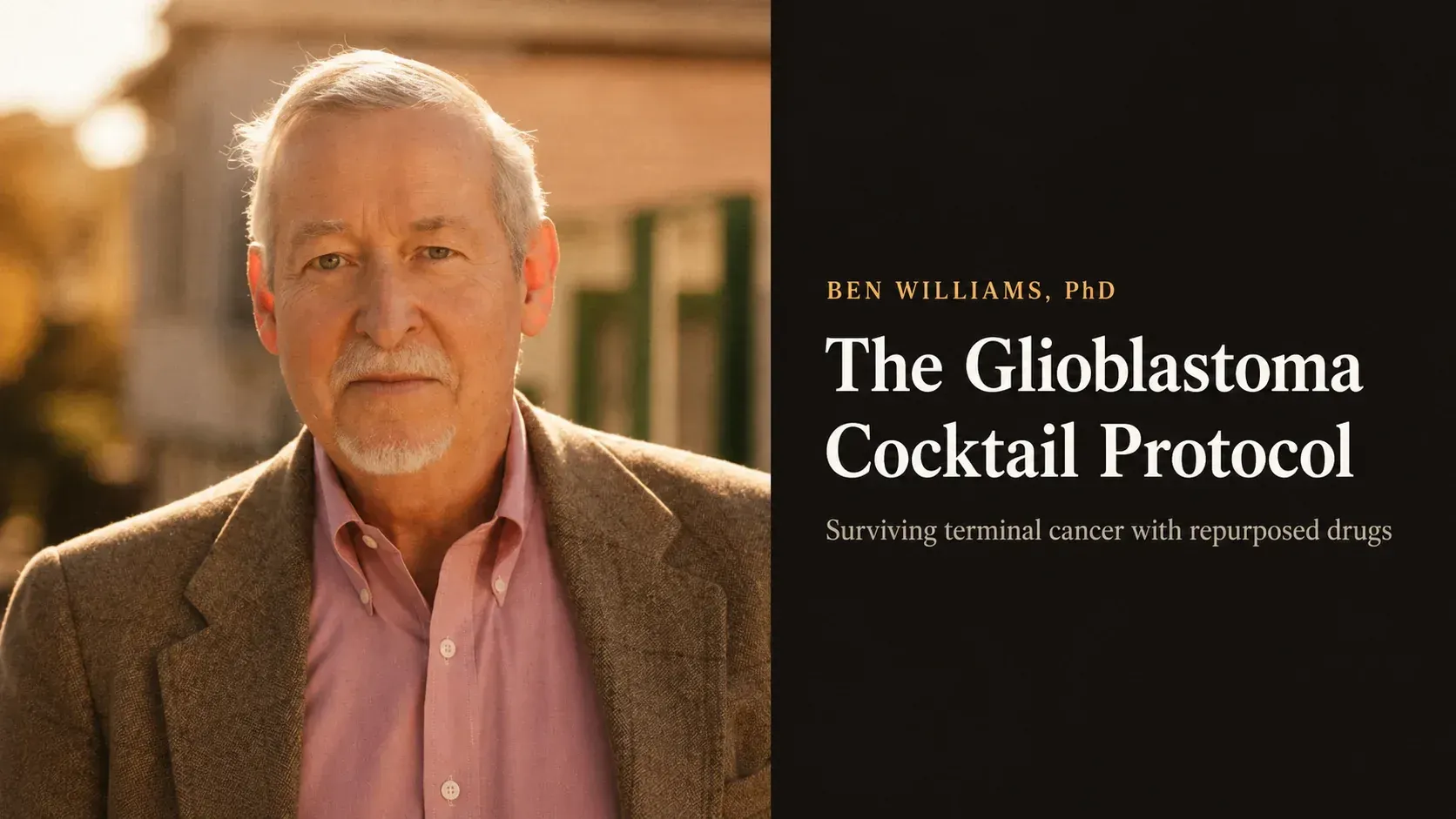
The Ben Williams Glioblastoma Cocktail Protocol
Quick Overview
- Author: Ben A. Williams, PhD (Emeritus Professor of Psychology, UCSD; 30+ year GBM survivor)
- Goal: Maximize long-term survival in glioblastoma multiforme through a multi-agent cocktail: combining standard chemotherapy with off-label drugs that inhibit PKC, reverse multi-drug resistance, induce differentiation, and provide immune support
- Duration: Active treatment ~18 months (surgery, radiation, 6 chemotherapy rounds). Maintenance supplementation: indefinite (Williams continued melatonin and supplements for 20+ years post-treatment).
- Key compounds: Tamoxifen (high-dose, 220 mg/day), Verapamil (600 mg/day, peri-chemotherapy), Accutane/Isotretinoin (160 mg/day, 2-weeks-on/1-week-off), PSK (Polysaccharide Krestin), Melatonin (15 mg/day)
- Cycles: Chemotherapy: 6 rounds over ~12 months. Tamoxifen: continuous ~3 years. Verapamil: 1 week surrounding each chemo dose only. Accutane: 2-weeks-on / 1-week-off for ~6 months.
Overview
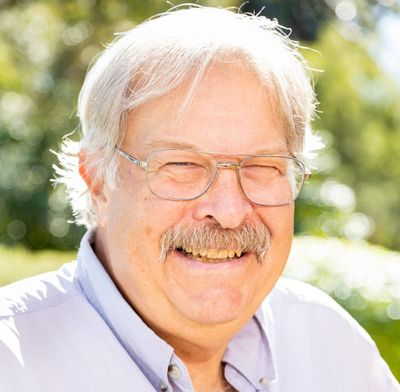
Ben A. Williams is an Emeritus Professor of Psychology at the University of California, San Diego (UCSD), who was diagnosed with a grade IV glioblastoma multiforme (GBM) on March 30, 1995, at the age of 50. Given a median prognosis of 12–18 months, Williams refused to limit himself to standard treatment. He undertook an intensive self-directed review of PubMed literature and identified adjuvant agents with GBM-relevant mechanisms, assembling a multi-drug cocktail that he added to his standard chemotherapy. His survival for 25 or more years — remaining cancer-free as of his most recent public updates — makes him one of the most extensively documented long-term GBM survivors on record. His approach has directly influenced the clinical cocktail movement in neuro-oncology.
Williams’ core therapeutic philosophy rests on three premises: first, that any successful GBM treatment must be systemic because microscopic tumor extensions cannot be fully resected; second, that multi-agent combinations are necessary because single-agent resistance emerges rapidly; and third, that standard treatment alone is insufficient and must be augmented with agents that address chemotherapy resistance, tumor cell signaling, immune function, and angiogenesis. He published his approach in the 2002 book Surviving Terminal Cancer: Clinical Trials, Drug Cocktails, and Other Treatments Your Oncologist Won’t Tell You About, with free online updates through 2017 (co-authored with Stephen Western). Williams is a scientist, not a physician, and emphasizes throughout his writing that patients must work with their oncologists and disclose all agents being used.
Williams’ initial 1995 protocol was relatively targeted: high-dose tamoxifen as a PKC inhibitor and chemotherapy sensitizer, verapamil as a multi-drug resistance reversal agent, and Accutane (isotretinoin) as a differentiation inducer. Melatonin and PSK (Polysaccharide Krestin) were added starting with his second chemotherapy round. The approach was driven by precise biological rationale for each agent rather than broad empiricism. It is worth noting that the current standard of care for GBM uses temozolomide (Stupp protocol, approved 2005) rather than the BCNU/PCV chemotherapy Williams received in 1995; the cocktail philosophy he developed is best adapted to augment current protocols rather than replicated exactly.
Glioblastoma Survival Statistics: The Grim Reality
Before evaluating any glioblastoma (GBM) treatment protocol, it is essential to understand the baseline prognosis. Glioblastoma multiforme remains one of the most lethal cancers, with survival outcomes that have improved only modestly over the past two decades despite intensive research efforts.
Current standard-of-care survival statistics:
- Median overall survival (OS): Approximately 14.6 months for adults treated with the Stupp protocol (maximal safe resection + radiotherapy + concomitant/adjuvant temozolomide). This is the benchmark established in the landmark 2005 trial by Roger Stupp and colleagues.
- Untreated patients: Median survival drops to approximately 4 months without any intervention.
- Recurrent disease: When GBM recurs or progresses after initial treatment (which it almost always does), median survival following recurrence is 6–12 months.
- Five-year survival rate: Only 5% to 6.9% of adult GBM patients survive five years or longer. This statistic has remained stubbornly low for decades.
Factors that influence survival:
- Molecular genetics: IDH-mutant glioblastomas (which are rarer and often arise in younger patients) have a median OS of 30–36 months, compared to 12–15 months for IDH-wild-type tumors (the vast majority). MGMT promoter methylation status also predicts temozolomide responsiveness — methylated tumors respond better, unmethylated tumors often do not.
- Age: Younger adults (18–39 years) have a median OS of approximately 18 months, while patients aged 70 or older often experience a median OS of only 8–10 months. The five-year survival rate for patients ≥70 years is 3–4%.
- Extent of surgical resection: Maximal safe resection is associated with median OS of 16–18 months, compared to 14–15 months for subtotal resection and 12–14 months for biopsy alone. However, complete resection is often anatomically impossible due to tumor infiltration into eloquent brain regions.
- Performance status: Karnofsky Performance Status (KPS) ≥80 is strongly correlated with better survival than lower KPS scores. Patients who are functionally independent at diagnosis fare better than those with significant disability.
The sobering truth: Even with maximal treatment, the median GBM patient lives approximately 14.6 months. Long-term survivors (5+ years) represent less than 7% of cases. Any individual who survives significantly beyond these medians — especially into the 10–20+ year range — is an exceptional statistical outlier, not a typical case.
1995 vs 2026: What Changed in Standard Care
Ben Williams was diagnosed and treated in 1995 — more than 30 years ago. Understanding the context of what was "standard care" at that time versus what is available today is critical to interpreting his survival story.
Standard of care in 1995 (when Ben Williams was treated):
- Surgery + radiotherapy only. The standard protocol was maximal safe resection followed by focal radiotherapy (typically 60 Gy in 30 fractions).
- No effective chemotherapy. Temozolomide had not yet been developed for GBM. Prior chemotherapy agents (nitrosoureas like BCNU/CCNU) showed minimal survival benefit and significant toxicity. The median OS with surgery + radiation alone was approximately 12 months.
- No molecular stratification. IDH mutation status, MGMT methylation, and other prognostic biomarkers were not yet identified or routinely tested. Patients were treated as a homogeneous group, even though we now know GBM comprises molecularly distinct subtypes with vastly different prognoses.
- Limited imaging and surgical techniques. MRI technology and image-guided surgery were less advanced. Surgical resection was less precise, and the concept of "maximal safe resection" was not as refined as it is today with intraoperative MRI and fluorescence-guided surgery (5-ALA).
Standard of care in 2005 (Stupp protocol introduction):
- The Stupp protocol was published in 2005, ten years after Ben Williams's treatment. This protocol added concomitant and adjuvant temozolomide to surgery and radiotherapy, improving median OS to 14.6 months (from 12.1 months with radiation alone).
- The five-year survival rate improved from 1.9% (radiotherapy alone) to 9.8% (radiotherapy + temozolomide) — still dismal, but statistically significant.
- This became the new global standard of care and remains so in 2026.
Standard of care in 2026 (today):
- Stupp protocol remains the backbone. Surgery + radiotherapy + temozolomide is still the standard first-line treatment.
- Tumor-treating fields (TTFields/Optune). The Optune device (wearable electrodes delivering alternating electric fields) was approved in 2011 for recurrent GBM and in 2015 for newly diagnosed GBM. When added to Stupp protocol, it extends median OS to approximately 20.9 months in some trials — a meaningful but still incremental improvement. However, it is burdensome (must be worn 18+ hours/day) and expensive.
- Molecular profiling standard. IDH, MGMT, EGFR, TP53, and other biomarkers are now routinely tested and used to stratify patients and guide treatment decisions.
- Emerging therapies in trials. CAR-T cell therapy, oncolytic viruses, checkpoint inhibitors, and novel targeted agents are in clinical trials, but none have yet achieved breakthrough status for GBM.
The key point: Ben Williams was treated in an era before the only chemotherapy (temozolomide) proven to extend survival in randomized trials. His 20+ year survival occurred in a context where the median was 12 months (not 14.6 months) and five-year survival was <2% (not 6–7%). His outcome is an exceptional outlier even by 1995 standards.
Dosage and Schedule
The Williams protocol was implemented alongside standard chemotherapy. Key compounds and their doses are documented in Williams’ own published accounts and in the Musella Foundation Virtual Trials database. The table below presents the core off-label agents; standard chemotherapy (BCNU and PCV cycles) is not included in detail as it is specific to the 1995 treatment era.
| Compound | Dose | Schedule | Notes |
|---|---|---|---|
| Tamoxifen (high-dose) | 220 mg/day | Continuous daily; started 2 weeks before first chemo; continued ~3 years (June 1995 – March 1998) | PKC inhibition requires concentrations several-fold above standard breast cancer dose (20–40 mg). Significant DVT/thromboembolism risk at high dose (~20% in trials). |
| Verapamil | 600 mg/day | 1-week peri-chemotherapy window only (around each BCNU or CCNU dose); not continuous | P-glycoprotein / MDR1 inhibitor at this dose. Cardiovascular monitoring required (bradycardia, hypotension). |
| Accutane / Isotretinoin | 160 mg/day | 2 weeks on / 1 week off; ~5–6 months total (July – December 1995) | Cycling schedule prevents receptor downregulation. Teratogenic; requires strict contraception. |
| PSK (Polysaccharide Krestin) | Standard Japanese clinical dose: 3 g/day (1 g × 3 daily) | Started with 2nd chemotherapy round (August 1995); continued ongoing | Trametes versicolor mushroom extract. Licensed anti-cancer adjuvant in Japan (Krestin). Available as dietary supplement elsewhere. |
| Melatonin | 15 mg/day | Nightly at bedtime; started August 1995; continued 5+ years; ongoing maintenance use | Anti-angiogenic, immunostimulatory, and circadian-regulatory. Long-term continuation recommended. |
| Fenbendazole (later addition) | 222 mg active/day (1 g granules) | 3 days on / 4 days off (standard benzimidazole schedule); added to maintenance protocol, not used in 1995 initial treatment | Referenced in updated editions of Williams’ guide. Must be taken with fat for absorption. |
Williams also maintained an extensive long-term supplementation regimen including melatonin, curcumin, resveratrol, silibinin (from milk thistle), genistein (from soy), green tea extract / EGCG, selenium, and high quantities of cruciferous vegetables, berries, and omega-3 fatty acids from flax seed and borage seed oil. Williams emphasizes that these long-term dietary and supplementary interventions may contribute to ongoing systemic anti-cancer activity and immune support.
Mechanism of Action
Each compound in the Williams protocol addresses a distinct vulnerability in GBM biology. The combination was designed to work at multiple levels simultaneously: sensitizing the tumor to chemotherapy, reversing resistance mechanisms, inducing differentiation, and activating immune clearance.
Tamoxifen (High-Dose)
At doses of 220 mg/day, tamoxifen achieves serum concentrations sufficient to inhibit protein kinase C (PKC) in glioma cells — a dose-dependent effect that cannot be achieved at the standard 20–40 mg dose used in breast cancer. GBM cells rely heavily on PKC-dependent proliferative signaling; PKC inhibition causes G1 phase cell cycle arrest. Tamoxifen at this dose also radiosensitizes GBM cells, potentially enhancing radiation efficacy, and potentiates chemotherapy drugs. The RTOG BR-0021 Phase 2 clinical trial established the clinical precedent for high-dose tamoxifen (80 mg/m² per day) in GBM, and Couldwell et al. used 160–200 mg/day in earlier studies. Tamoxifen additionally has ER-independent direct effects on glioma cell lines.
Verapamil
At 600 mg/day — a dose well above standard cardiovascular use — verapamil inhibits P-glycoprotein (P-gp / MDR1), the membrane pump that exports chemotherapy drugs from cancer cells. P-gp-mediated export is a primary mechanism of multi-drug resistance (MDR) in GBM. By blocking P-gp during the chemotherapy week, verapamil may restore intracellular accumulation of BCNU, CCNU, and procarbazine, potentially recovering sensitivity in otherwise resistant cells. Verapamil is used only during the peri-chemotherapy window, not continuously, to minimize cardiovascular effects.
Accutane / Isotretinoin
Isotretinoin (13-cis retinoic acid) acts as a differentiation-inducing agent. Retinoids bind to retinoic acid receptors (RARα/RARβ) and force cancer stem-like glioma cells toward terminal differentiation, reducing their self-renewal capacity and reversing the undifferentiated, stem-cell phenotype. Isotretinoin also inhibits angiogenesis via VEGF suppression and has direct anti-proliferative effects. The MD Anderson Brain Tumor Center used isotretinoin as maintenance therapy for GBM, with Phase 2 studies showing a median survival of 58 weeks in recurrent GBM as a single agent. The 2-weeks-on / 1-week-off cycling schedule is standard for retinoic acid therapy to prevent receptor downregulation from continuous exposure.
PSK (Polysaccharide Krestin)
PSK is a protein-bound polysaccharide from Trametes versicolor (Turkey Tail mushroom) that modulates immune response. It stimulates T-cell and natural killer (NK) cell activity, augments killer T-cell responses against tumor cells, and restores suppressed immune function in tumor-bearing states. A 1984 clinical study of 20 GBM patients treated with ACNU plus PSK found that 6 of 20 patients (30%) survived usefully beyond 5 years — a remarkable result for the pre-temozolomide era, and the key PSK reference cited by Williams. A 2022 review in Biomedicines documented PSK’s anti-tumor mechanisms across multiple cancer types.
Melatonin
Melatonin is a pineal hormone with multiple anti-cancer effects: it modulates circadian regulation of tumor growth, is anti-angiogenic via VEGF suppression, immunostimulatory (augmenting NK cell and T-cell activity), and has direct pro-apoptotic effects in glioma cell lines. Melatonin also reduces cancer cell invasiveness. Williams began melatonin at 15 mg nightly in August 1995 and continued it for many years as part of his long-term maintenance approach.
Fenbendazole (Later Addition)
Fenbendazole was not part of Williams’ original 1995 treatment but is referenced in updated editions of his guide as a useful addition to GBM protocols. As a benzimidazole antiparasitic, it inhibits tubulin polymerization, restricts cancer cell glucose and glutamine uptake, activates the p53 tumor suppressor pathway, and targets cancer stem cells by depleting ALDH1+ populations. Its ability to cross the blood-brain barrier makes it particularly relevant for GBM.
High-Dose Tamoxifen: The Clinical Trial Record
High-dose tamoxifen is one of the central components of the Ben Williams protocol. Williams used 160–200 mg/day (compared to the typical 20 mg/day breast cancer dose). The rationale was that tamoxifen might act as a radiosensitizer and inhibit protein kinase C (PKC), which is overexpressed in glioblastoma. However, the clinical trial evidence for high-dose tamoxifen in GBM is overwhelmingly negative.
Key clinical trials and results:
- RTOG protocol BR-0021 (Phase II): This trial evaluated radiation combined with high-dose tamoxifen in newly diagnosed GBM patients. The study concluded that the results did not represent a substantial advancement over existing treatments using radiation and other drug doublets. The combination failed to improve survival compared to historical controls.
- Surgery + radiotherapy + carboplatin + high-dose tamoxifen: A phase II study treated newly diagnosed GBM patients with this combination. Median survival was 55 weeks (approximately 13 months), which was statistically comparable to surgery + radiation alone (12 months historical control). The therapy did not demonstrate higher efficacy than standard treatment.
- Multifocal recurrence pattern: A particularly concerning finding from high-dose tamoxifen trials was the high incidence of multifocal tumor recurrences — reported in 33% to 45.5% of patients in some studies, compared to the 4–14% typically observed in the general GBM population. These multifocal recurrences often occurred after an initial response to tamoxifen, leading researchers to hypothesize that acquired resistance to tamoxifen may facilitate the development of multifocal disease. In other words, tamoxifen might initially suppress one tumor clone, but resistant clones then proliferate in multiple locations.
- Radiosensitization hypothesis weak: Laboratory studies examining human glioblastoma cell lines showed that while high doses of tamoxifen or radiation could inhibit tumor cell proliferation, synergy between the two was not consistently observed across different cell lines. The conclusion was that the clinical combination of tamoxifen and radiation might not provide benefits to all patients, and the biological rationale for radiosensitization was weak.
Tolerability and toxicity:
- High-dose tamoxifen is generally well-tolerated compared to cytotoxic chemotherapy, with minimal acute side effects. This makes it an attractive option for heavily pretreated patients or those seeking low-toxicity interventions.
- However, combination trials (e.g., tamoxifen + other agents) have frequently been limited by toxicity, including venous thromboembolism, transaminitis (liver enzyme elevation), and fatigue, leading to the discontinuation of several studies.
The evidence verdict: High-dose tamoxifen has been tested in multiple Phase II trials for GBM and has consistently failed to demonstrate survival benefit over standard care. The multifocal recurrence pattern raises concerns about acquired resistance. While it remains a low-toxicity option, it is not supported by rigorous clinical evidence as an effective GBM therapy.
The Blood-Brain Barrier Problem: Why Most Drugs Fail in GBM
One of the fundamental challenges in treating glioblastoma is the blood-brain barrier (BBB) — a highly selective, dynamic structure that restricts the passage of approximately 98% of small-molecule drugs and nearly all large-molecule therapeutics into the brain. This barrier is composed of the neurovascular unit (endothelial cells, pericytes, and astrocytes) and uses tight junctions and active efflux transporters (such as P-glycoprotein and BCRP) to prevent the entry of pathogens, toxins, and most therapeutic agents.
The blood-tumor barrier (BTB) in GBM:
- In GBM, the BBB undergoes structural modifications, creating a "blood-tumor barrier" (BTB). The BTB is often more permeable than the healthy BBB due to diminished tight junction expression and angiogenic vascular disruption.
- However, this permeability is spatially and temporally heterogeneous. While some areas of the tumor core may receive drug exposure (appearing as "contrast enhancement" on MRI), the infiltrative tumor margins — where recurrence frequently initiates — often remain shielded by an intact BBB. These infiltrative cells, scattered throughout normal-appearing brain tissue, are the primary reason GBM recurs locally despite aggressive surgery and radiation.
- The result: systemic chemotherapy or oral agents may achieve therapeutic concentrations in the serum and in leaky tumor core regions, but fail to reach therapeutic levels in the infiltrative zone where the disease ultimately recurs.
BBB penetration and the Ben Williams protocol components:
The Ben Williams protocol includes multiple oral agents. However, most of these compounds have poor to uncertain blood-brain barrier penetration at standard doses. The table below summarizes the BBB characteristics of key components:
| Agent | Standard dose context | BBB penetration status | Notes |
|---|---|---|---|
| Tamoxifen (high-dose) | 20 mg/day (breast cancer) | Poor at standard dose; uncertain at 160-200 mg/day | Some animal data suggest high doses may achieve brain concentrations, but human data limited. May rely on BBB/BTB disruption. |
| Verapamil | 240-480 mg/day (hypertension) | Moderate to poor | Calcium channel blocker; some CNS effects (dizziness) suggest limited penetration, but insufficient for anti-tumor effect in brain. |
| Isotretinoin (Accutane) | 0.5-1 mg/kg/day (acne) | Moderate | Retinoid; lipophilic, some BBB crossing. Used in pediatric CNS tumors (medulloblastoma maintenance), but efficacy uncertain in GBM. |
| PSK (Polysaccharide Krestin) | Oral immune modulator | Negligible (large polysaccharide) | Acts systemically on immune system; does not cross BBB to directly affect tumor cells in brain. |
| Melatonin | 3-20 mg/day (sleep) | Good (endogenous hormone) | Crosses BBB freely; proposed anti-cancer mechanisms (antioxidant, circadian regulation), but no RCT proof in GBM. |
| Fenbendazole | Veterinary anthelmintic | Unknown in humans for cancer | No human pharmacokinetic data for BBB penetration in GBM context. Anecdotal only. |
Strategies to overcome the BBB:
- Physical disruption: Focused ultrasound (FUS) + microbubbles can temporarily open the BBB locally. Convection-enhanced delivery (CED) directly infuses drugs into brain tissue, bypassing systemic circulation.
- Novel drug designs: Nanocarriers (liposomes, polymeric nanoparticles), antibody-drug conjugates, and surface modifications (e.g., transferrin-targeting) aim to "trick" the BBB into active transport.
- Clinical reality: None of these strategies are standard practice for GBM in 2026. They remain experimental and are available only in specialized clinical trials.
The BBB paradox: Many of the agents in the Ben Williams protocol have uncertain or poor BBB penetration at standard doses. While high-dose tamoxifen might achieve brain levels, and melatonin crosses readily, the overall cocktail was assembled without systematic pharmacokinetic validation of brain penetration. This is a fundamental limitation when evaluating its mechanism of action.
The Exceptional Outlier Paradox: One Survivor Cannot Prove a Protocol
Ben Williams's survival — now exceeding 30 years since his 1995 GBM diagnosis — is undeniably remarkable and inspiring. He is a professor of psychology, understands research methodology, and made informed, autonomous decisions about his treatment. His book, Surviving Terminal Cancer, has provided hope and guidance to countless patients facing similar diagnoses. However, from an evidence-based medicine perspective, a single exceptional survivor cannot establish the efficacy of a multi-drug protocol. This is the core of the "outlier paradox."
Why N=1 cannot prove causality:
- Survivorship bias. We hear about Ben Williams because he survived. We do not hear about the hundreds or thousands of GBM patients who tried similar cocktails in the 1990s and died within the median 12-month window. The visibility of exceptional survivors creates a selection bias that vastly overestimates the effectiveness of any intervention they used.
- Unknown confounding factors. Williams underwent surgery and radiotherapy — the standard of care at the time. It is impossible to determine which element(s) contributed to his survival:
- Surgical quality: Was his tumor in a location that allowed for more complete resection than typical? Did the surgeon achieve a gross total resection (GTR) that extended his survival independent of the drug cocktail?
- Molecular biology unknown: In 1995, IDH mutation and MGMT methylation status were not tested. If Williams had an IDH-mutant glioblastoma (rarer, but with 30–36 month median OS instead of 12–15 months), his prolonged survival could be explained by favorable tumor biology, not the protocol. We will never know.
- Individual host factors: Immune system variability, microbiome, pharmacogenomics (individual drug metabolism), and countless other patient-specific factors could have contributed.
- Spontaneous long-term survivors exist. Approximately 5–7% of GBM patients survive five years even with standard treatment alone. A small subset (perhaps 1–2%) survive 10+ years. While extremely rare, 20+ year survivors have been documented in the medical literature without any experimental protocols — purely with surgery + radiation (and later, temozolomide). These "ultra-long survivors" are often characterized by younger age, favorable molecular profiles, and/or complete resections.
- Replication attempts have failed. If the Ben Williams protocol were reliably effective, subsequent attempts by other patients and clinicians to replicate his cocktail would have generated signals of efficacy in case series or retrospective analyses. No such evidence has emerged in the 30 years since. The protocol has not been adopted by any major cancer center or clinical trial group.
The ethical and psychological dimension:
- For a newly diagnosed GBM patient, Ben Williams's story offers hope — and hope is psychologically valuable. Patients who feel empowered and actively engaged in their treatment may experience better quality of life and possibly even better adherence to standard therapies.
- However, there is a risk: patients may pursue unproven, expensive, and potentially harmful cocktails instead of enrolling in clinical trials or optimizing standard care. They may delay proven interventions (surgery, radiation, temozolomide) to "try alternative protocols first." This can be medically catastrophic for a rapidly progressive disease like GBM.
The honest conclusion: Ben Williams is a statistical outlier, not proof of concept. His survival is consistent with the upper tail of the GBM survival distribution (the 1–2% who survive 20+ years), and we cannot attribute causality to his drug cocktail without controlling for confounders. His case is a hypothesis generator, not evidence. If any component of his protocol were truly effective, it should be tested in rigorous Phase II/III trials — and to date, high-dose tamoxifen (the cornerstone) has failed those tests.
Important Considerations
Important:
This protocol has not been evaluated in formal clinical trials as a combined regimen. The information presented is for educational purposes only. Always consult a qualified healthcare professional before starting any new treatment protocol.
- Williams’ original 1995 protocol predates temozolomide (approved 2005). Current GBM standard of care uses the Stupp protocol (radiation plus temozolomide). The cocktail approach is best adapted to augment current SoC, not replicated with 1995-era chemotherapy agents.
- High-dose tamoxifen (220 mg/day) carries a significant risk of thromboembolic events. The RTOG BR-0021 trial reported a 20.8% thromboembolic event rate. Anticoagulant prophylaxis and close monitoring are essential.
- Verapamil at 600 mg/day is a high dose; cardiovascular monitoring for bradycardia and hypotension is required. This dose is used only during chemotherapy weeks, not continuously.
- Accutane (isotretinoin) must not be used by women of childbearing age without strict contraception; it is highly teratogenic. In the United States, iPLEDGE program enrollment is required.
- Williams cautions that his specific protocol was designed for his own case and that outcomes are highly individual; he does not claim it is universally applicable or directly reproducible.
- The CUSP9 (Coordinated Undermining of Survival Paths, 9 drugs) clinical trial was directly derived from the cocktail philosophy Williams pioneered. Phase I results showed 3 of 10 recurrent GBM patients became tumor-free over a 3-year period.
- Williams’ updated guide (2017, available free online) covers current options including temozolomide combinations, bevacizumab (Avastin), tumor treating fields (TTFields), and newer off-label agents.
- PSK (Krestin) is licensed as an anti-cancer adjuvant in Japan; it is not formally licensed in the US or EU but is available as a dietary supplement.
- Williams is a scientist, not a physician, and emphasizes the importance of partnering with an oncologist and disclosing all agents being used.
- Fenbendazole was added to his protocol later and was not part of the original 1995 treatment; it appears in updated editions of his guide.
Sources
Free · No spam · Unsubscribe anytime
Get the research before the sellers spin it
Join readers getting evidence-based fenbendazole protocols, dosing guides, and honest product investigations — straight to your inbox. We read the studies so you don’t get sold a story.
Subscribe free →📚 Key References & Sources
- Son DS et al. "Fenbendazole has anti-cancer properties." (key preclinical study).
- Dogra N, Kumar A, Mukhopadhyay T. "Fenbendazole acts as a moderate microtubule destabilizing agent." Sci Rep. 2018;8(1):11926. PMID: 30093705 — PubMed.
- FDA Center for Veterinary Medicine: fenbendazole is approved only for veterinary use (animal dewormer) — FDA CVM.
- National Cancer Institute / ClinicalTrials.gov: no completed clinical trials of fenbendazole for human cancer treatment — ClinicalTrials.gov.
Frequently Asked Questions
Who is Ben Williams?
A psychology professor diagnosed with GBM in 1995 who survived 25+ years by combining standard treatment with repurposed drugs.
What drugs did he use?
Tamoxifen, Accutane, verapamil, and supplements alongside standard surgery, radiation, and chemotherapy.
What is GBM survival rate?
Median 14-16 months; 5-year survival 5-10%. Williams' long survival is exceptionally rare.
What is the median survival for glioblastoma with standard treatment?
Approximately 14.6 months with the Stupp protocol (surgery + radiotherapy + temozolomide). Five-year survival is only 5-6.9%. Untreated median is ~4 months.
Has high-dose tamoxifen been proven effective for GBM?
No. Multiple Phase II trials (including RTOG BR-0021) showed no survival benefit over standard care. Median survival 55 weeks (13 months) vs 12 months historical control — not statistically different. Concerns about 33-45.5% multifocal recurrence rate (vs 4-14% typical) suggest acquired resistance.
When was Ben Williams treated and how is that different from today?
Williams was treated in 1995, before temozolomide (Stupp protocol 2005). Standard then = surgery + radiation only, median 12 months. His 30+ year survival is an exceptional outlier even by 1995 standards (five-year survival <2% then vs 6-7% now).
Do the drugs in Ben Williams protocol cross the blood-brain barrier?
Most have poor or uncertain BBB penetration. Tamoxifen = poor at standard dose, uncertain at 160-200 mg/day. Verapamil = moderate to poor. PSK (large polysaccharide) = negligible. Melatonin crosses well (endogenous hormone). Fenbendazole = unknown in humans for cancer. The 98% BBB exclusion rate is a fundamental challenge.
Why is Ben Williams an "outlier" and not proof the protocol works?
N=1 cannot prove causality. Unknown confounders: IDH/MGMT status not tested in 1995, surgical extent unknown, individual biology. Spontaneous long-term survivors (1-2% reach 20+ years) exist without experimental protocols. Survivorship bias — we don't hear about patients who tried similar cocktails and died. No replication in 30 years.
What is the Stupp protocol?
Standard of care since 2005. Surgery + focal radiotherapy (60 Gy) + concomitant daily temozolomide, followed by 6 cycles adjuvant temozolomide (5-7 days per 28-day cycle). Improved median OS from 12.1 months (radiation alone) to 14.6 months. Five-year survival 9.8% vs 1.9%.
What factors predict better GBM survival?
IDH-mutant (30-36 months median vs 12-15 for IDH-wild-type), MGMT methylation (better temozolomide response), younger age (18-39 years: 18 months median vs 8-10 for age ≥70), maximal resection (16-18 months), high KPS (≥80). These biological/clinical factors are more predictive than any experimental drug cocktail.
⚖️ Conflict of Interest Disclosure
Transparency matters. Readers should be aware of the following potential conflicts of interest associated with this protocol:
- This protocol prominently promotes specific commercial products and supplements. Where content recommends products that the author or affiliated parties may profit from, that financial incentive can bias the recommendations.
Disclaimer — This content is for educational and informational purposes only. It does not constitute medical advice. Always consult a qualified healthcare professional before starting any treatment protocol.
Related Protocols and Further Reading
Compare this regimen with other sourced protocol analyses on this site:
- Fenbendazole, Berberine & Curcumin Protocol
- High-Dose Fenbendazole Protocol
- Care Oncology Clinic (COC) Protocol
- Fenbendazole + DCA Protocol
- The Joe Tippens Protocol
🔬 How we research & review this article
This article is an independent, evidence-based review. Every clinical claim is sourced from primary literature (PubMed, ClinicalTrials.gov, FDA/WHO). Sources are selected for methodological quality, uncertainties are stated plainly, and conflicts of interest are disclosed. Content is reviewed and updated on a rolling schedule — see the “Last reviewed” date at the top (July 2026).